If you’ve been around racket sports recently, you’ve probably heard about padel and pickleball—two fast-growing sports that have taken the world by storm. While they share similarities, especially in how accessible and fun they are for beginners, they are also quite different in terms of rules, equipment, and gameplay.
So, which sport is right for you? In this article, we’ll break down the key differences between padel and pickleball to help you decide!
Court Size and Setup
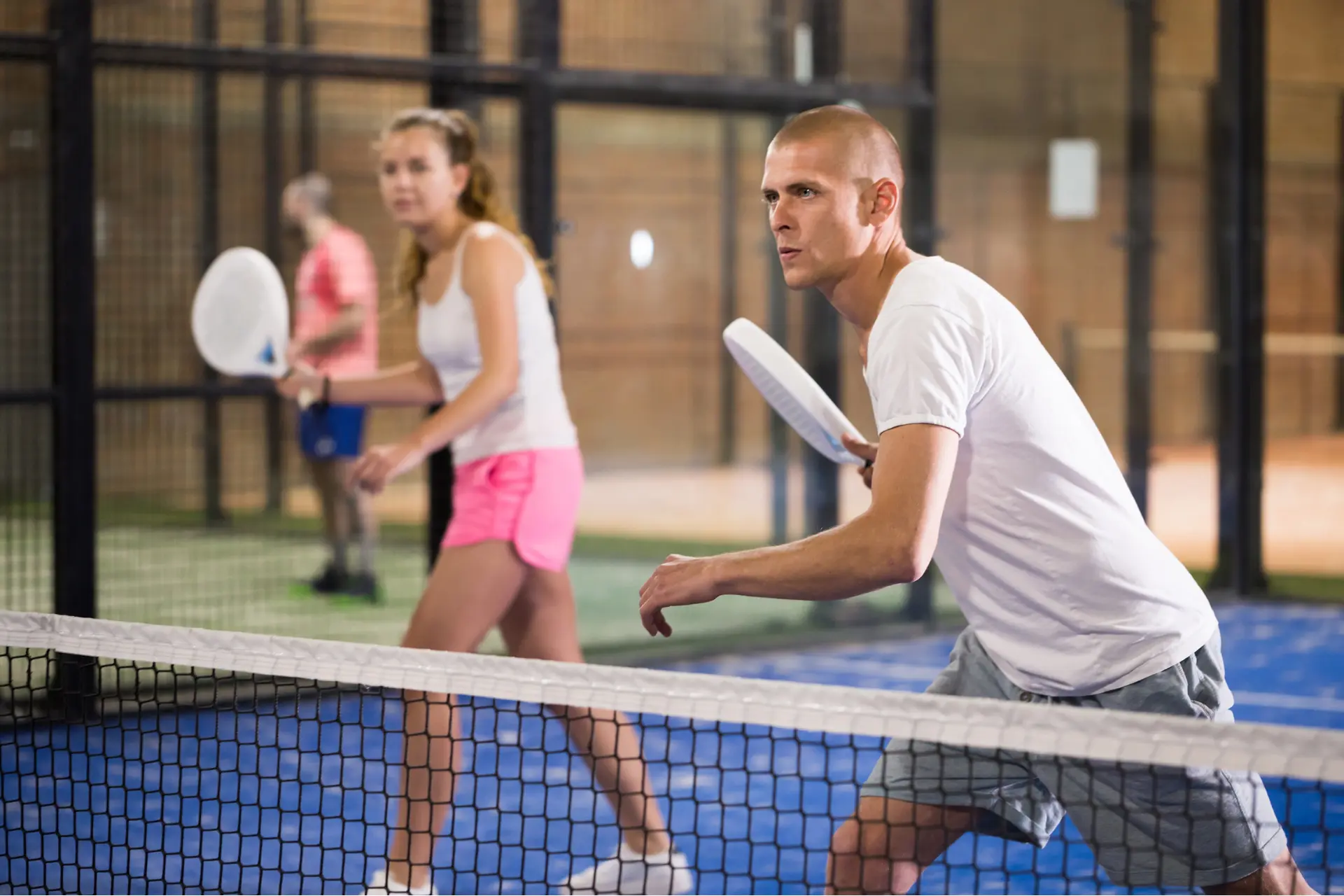
Padel is played on a court that’s 20 meters long and 10 meters wide (about half the size of a tennis court). The court is enclosed with glass walls that players can use during rallies, adding a strategic layer to the game.
In contrast, pickleball courts are much smaller, measuring 13.4 meters by 6.1 meters (44 feet by 20 feet), and there are no walls to use. The game is played on a hard surface, typically outdoors, and the court layout resembles that of a smaller tennis court.
Key Difference:
- Padel: Enclosed courts with walls (similar to squash).
- Pickleball: Open courts with no walls, closer to tennis.
Equipment: Rackets and Balls
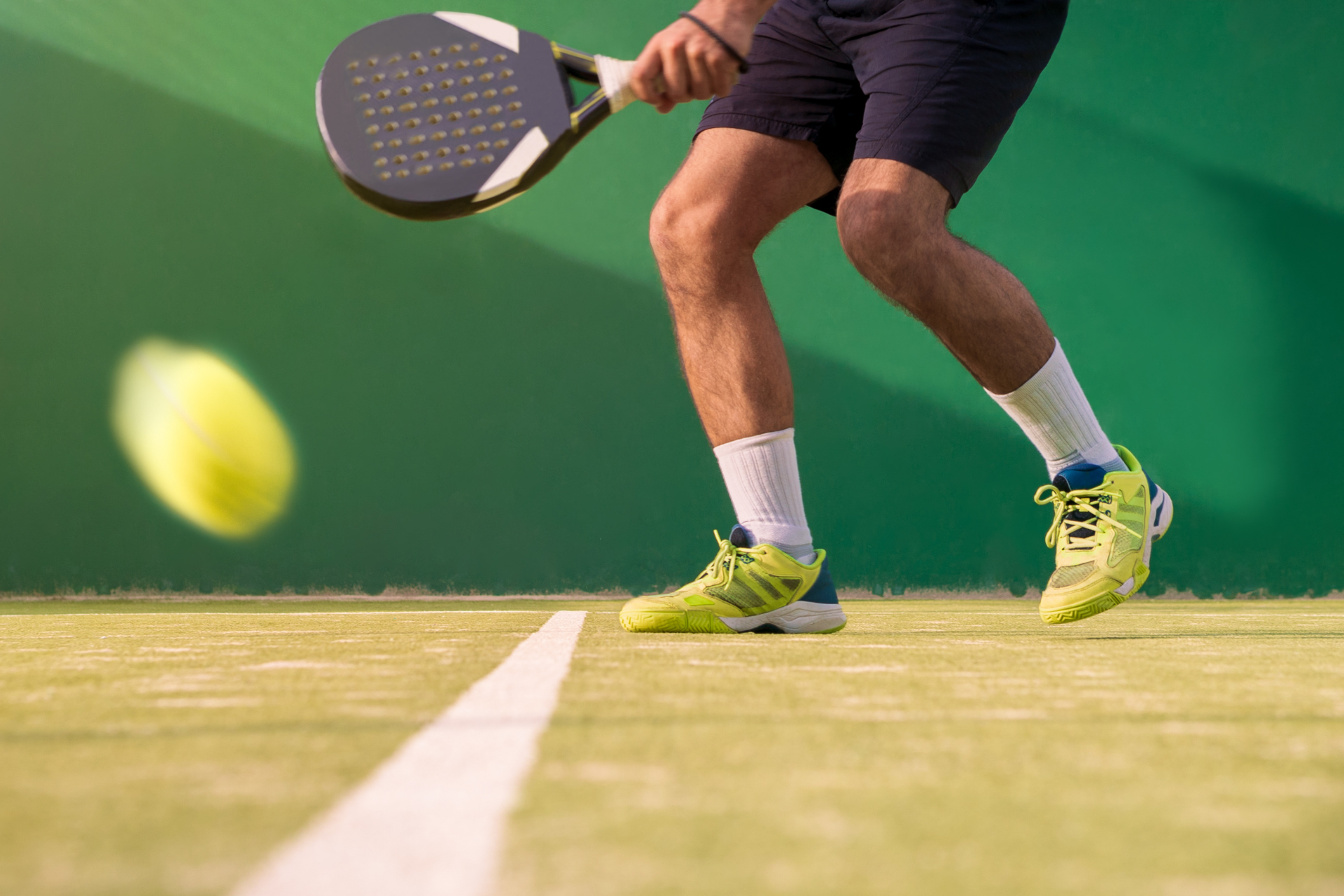
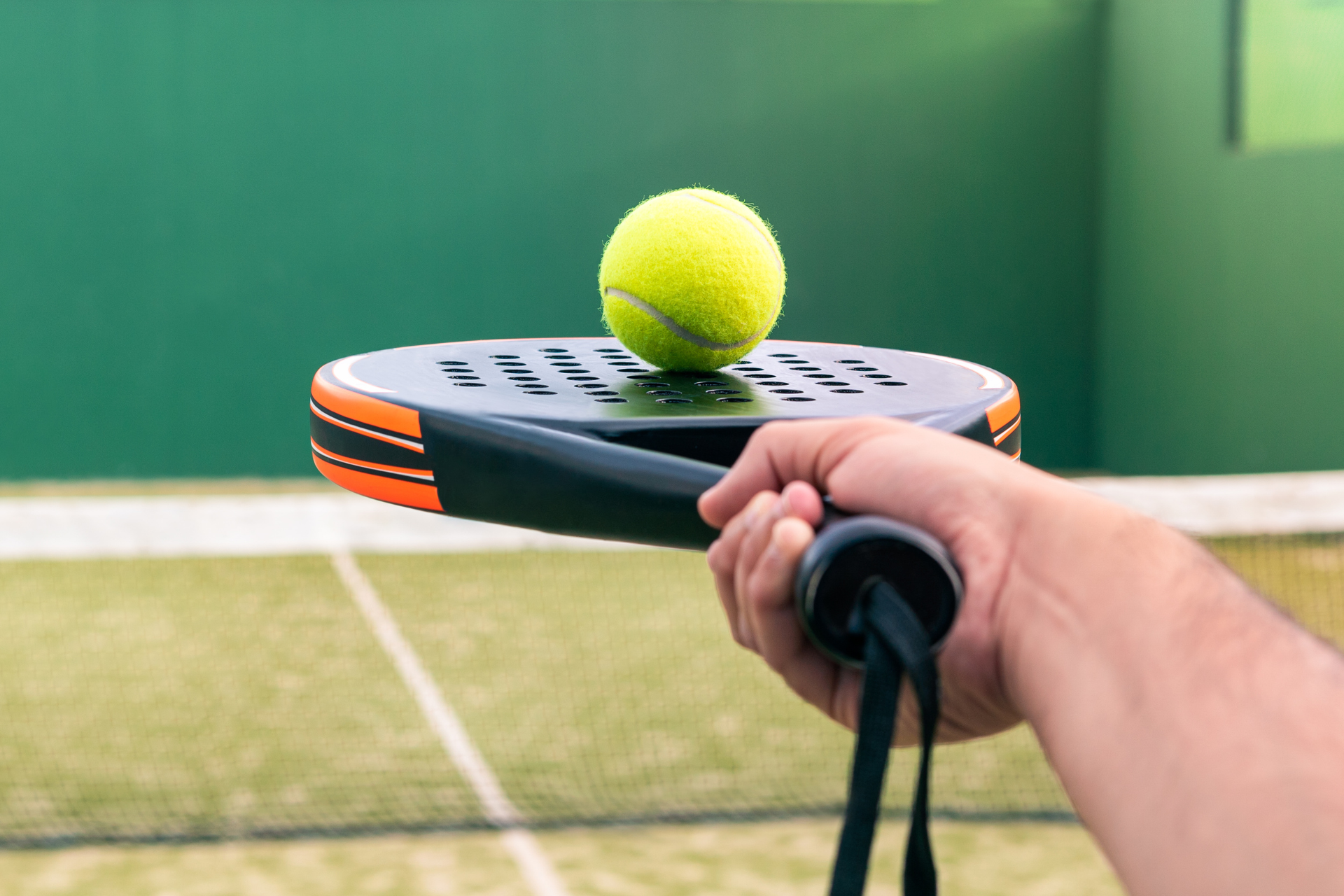
In padel, players use a solid racket with holes in it, made of composite materials like fiberglass or carbon fiber. The ball is very similar to a tennis ball but slightly less pressurized, making it bounce lower.
Pickleball, on the other hand, uses a paddle made of materials like wood or polymer, which is solid without holes. The ball used is a lightweight plastic ball with holes, resembling a wiffle ball. This creates a slower pace and less bounce than a padel ball.
Key Difference:
- Padel: Solid racket with holes, similar to tennis balls.
- Pickleball: Solid paddle, lightweight plastic ball with holes.
Gameplay and Scoring
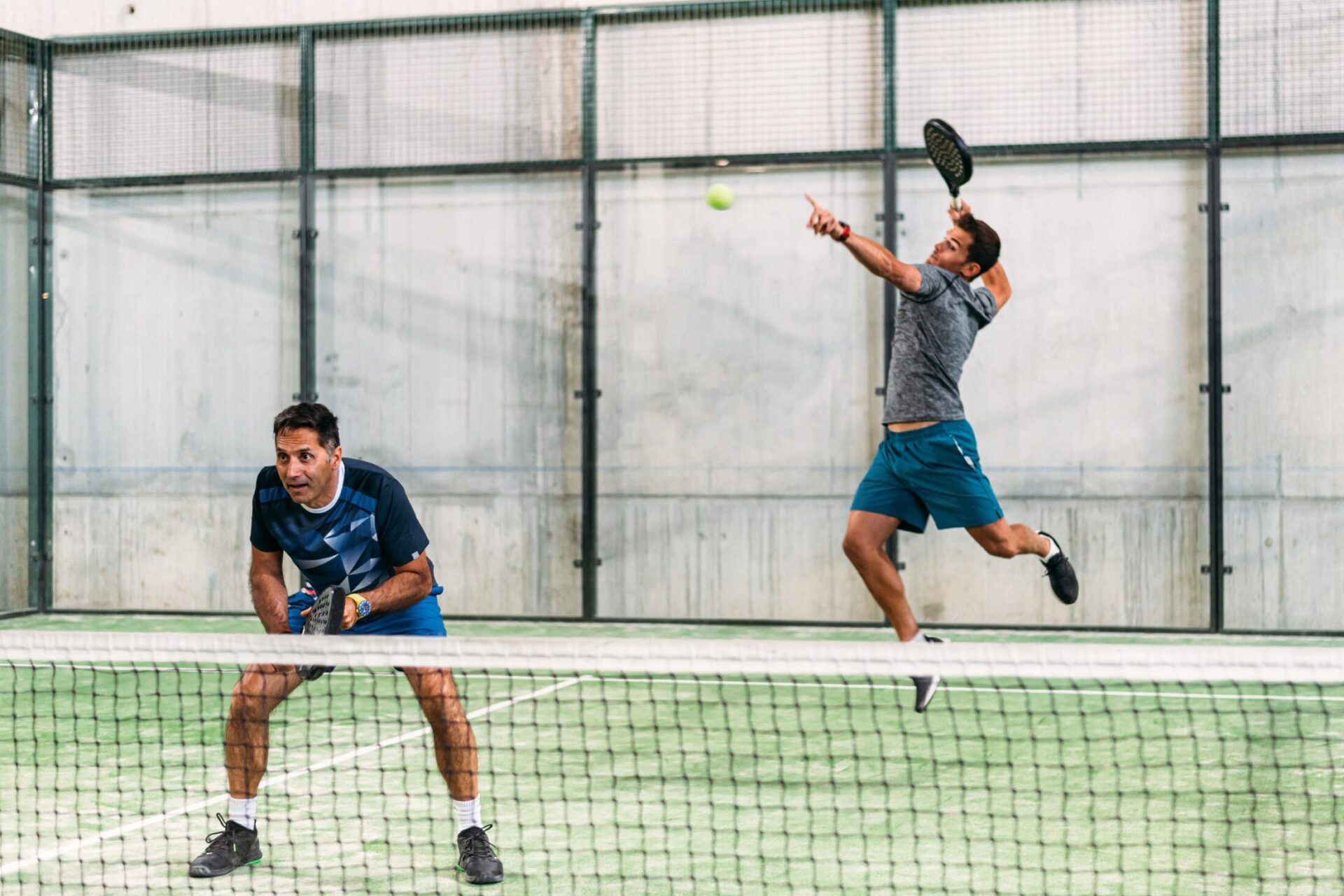
Padel is typically played in doubles and follows a scoring system identical to tennis (15, 30, 40, game). The rallies often last longer due to the use of the walls, making it a more strategic game where positioning and control are key.
Pickleball, which can be played in singles or doubles, uses a different scoring system: games are typically played to 11 points, and only the serving team can score. The pace is slower, but the compact court size makes for quick exchanges at the net.
Key Difference:
- Padel: Longer rallies with use of walls, tennis-like scoring.
- Pickleball: Shorter, quick rallies, unique scoring (up to 11 points).
Physical Demand
Both padel and pickleball are great for all ages, but their physical demands differ. Padel is slightly more intense due to its bigger court and use of walls, which require fast reflexes and strategic positioning.
Pickleball is less physically demanding, with shorter sprints and slower ball speeds, making it a popular choice for older players or those looking for a low-impact sport.
Key Difference:
- Padel: Faster pace, more physically demanding.
- Pickleball: Slower pace, ideal for casual play and lower impact.
Conclusion: Which Should You Play?
Both padel and pickleball offer fun, social gameplay that’s easy to learn, making them ideal for beginners and casual players. If you enjoy strategic play with a mix of tennis and squash, padel might be your game. But if you’re looking for a slower-paced, easy-to-pick-up sport that’s perfect for quick, social games, pickleball could be the better fit.
Whichever you choose, both sports are sure to get you moving and having fun on the court!